
Frequently Asked Questions (FAQs)
White Pine Center for Healing
Eating Disorder Prevention, Body Image Education & Weight Stigma Advocacy
At White Pine Center for Healing, we believe every body has a story– deserving of dignity, compassion, and support. Below, you’ll find answers to our most commonly asked questions about eating disorders, body image concerns, prevention programs, weight stigma, and our community resources.
GENERAL QUESTIONS
What does White Pine Center for Healing do?
We are a nonprofit organization dedicated to eating disorder prevention, body image education, and advocacy against weight stigma. Through evidence-based programs, expressive arts initiatives, community outreach, and professional training, we work to create environments where individuals of all ages feel safe, respected, and empowered in their bodies.
Our work includes:
School and community body confidence education
Prevention programming for children, teens, and families
Workshops and Lunch & Learns for educators, caregivers, and organizations
Storytelling and art-centered healing initiatives
Weight stigma awareness campaigns
Free and low-cost digital resources
Advocacy that supports inclusive, trauma-informed care
We do not provide clinical treatment, but we guide individuals toward appropriate care and support resources.
EATING DISORDER INFORMATION
What are eating disorders?
Eating disorders are complex mental health conditions that affect thoughts, emotions, behaviors, and a person’s relationship with food and body image. They are not choices, and they affect people of all body sizes, genders, ages, and cultural backgrounds.
Common types include:
Anorexia Nervosa
Bulimia Nervosa
Binge Eating Disorder
ARFID (Avoidant/Restrictive Food Intake Disorder)
OSFED (Other Specified Feeding or Eating Disorders)
Who can develop an eating disorder?
Anyone. Eating disorders do not discriminate. Genetics, environment, trauma, chronic illness, weight stigma, and cultural pressures can all play roles in their development. Prevention is most effective when entire communities—schools, families, and caregivers—are educated and supported.
What are early warning signs?
While signs vary widely, some early indicators include:
Sudden food restrictions or rigid food rules
Frequent body checking or body dissatisfaction
Avoiding meals or eating in isolation
Feeling shame or anxiety about eating
Fixating on weight, shape, or “clean eating”
Dizziness, fatigue, or sudden changes in energy
Mood swings, irritability, or withdrawal from friends
Early detection saves lives. If you or someone you know is struggling, we encourage reaching out for professional support.
PREVENTION & BODY IMAGE EDUCATION
What is eating disorder prevention?
Prevention focuses on creating environments that support confidence, compassion, resilience, and media literacy—before harmful beliefs or behaviors can take root. Our programs teach children and families how to build a positive relationship with their bodies and reduce risk factors.
What prevention programs does White Pine Center offer?
We provide evidence-based programs including:
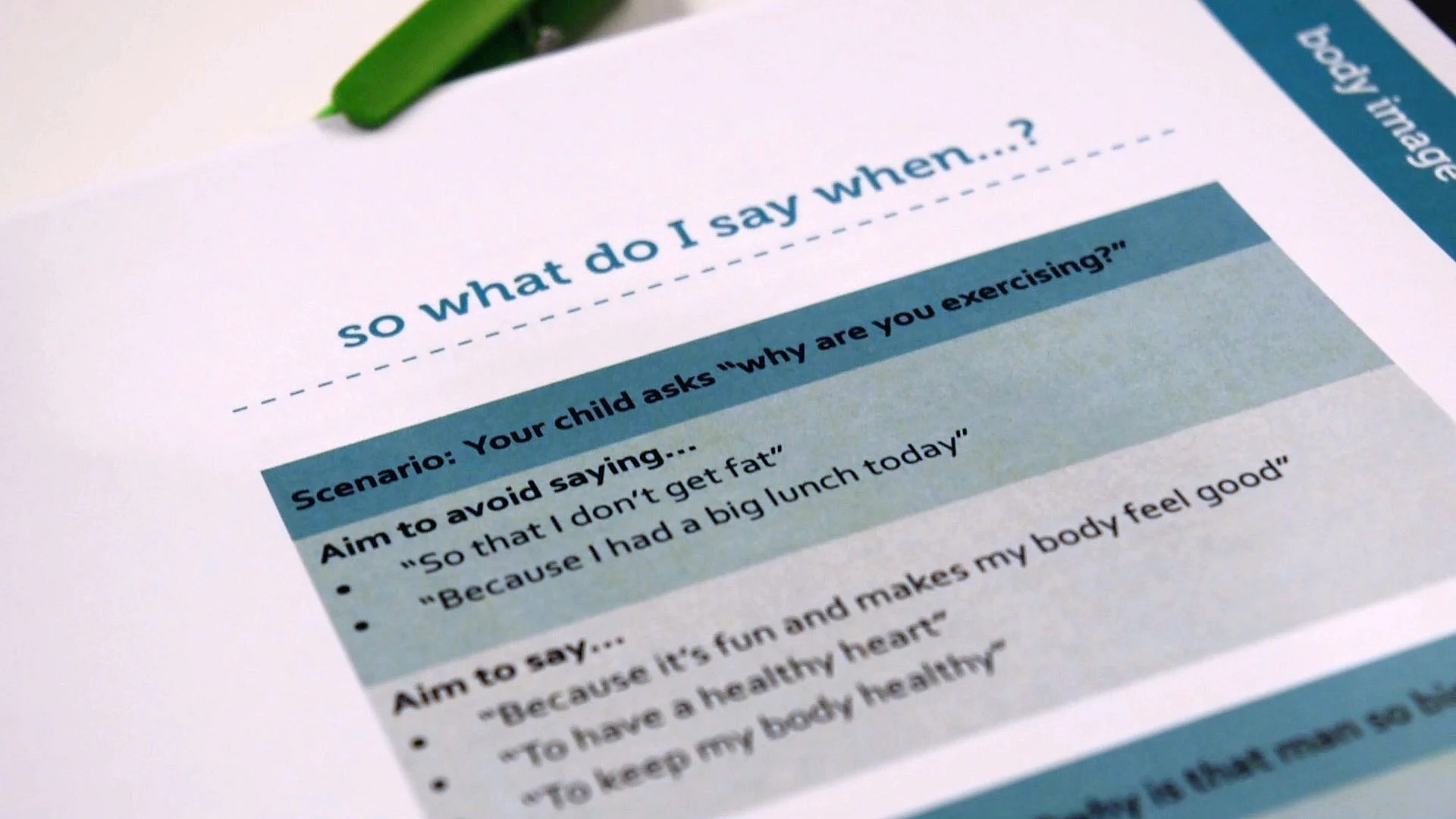
Confident Body, Confident Child – a research-backed prevention curriculum for caregivers and educators
Workshops for schools, after-school groups, and youth programs
Professional trainings for mental health providers, educators, and community leaders
Body diversity and weight stigma awareness sessions
Art and storytelling programs rooted in empowerment and healing
Why is weight stigma part of prevention?
Weight stigma– negative judgment based on body size– causes documented harm. It contributes to low self-worth, disordered eating, avoidance of healthcare, bullying, and increased risk of mental health struggles. Prevention must include challenging harmful cultural messages and promoting body diversity.
ADVOCACY & WEIGHT STIGMA
What is weight stigma?
Weight stigma refers to discrimination, assumptions, or negative treatment based on body size, shape, or weight. It can show up in schools, workplaces, medical settings, media, and families. Weight stigma has been linked to poorer health outcomes, depression, anxiety, and disordered eating across all body sizes.
Does weight stigma only affect larger bodies?
No. Weight stigma affects people of all shapes and sizes. Smaller-bodied individuals may experience harmful comments, pressure to stay thin, or body surveillance that damages confidence. The problem is not the bodies—it’s the culture.
How does White Pine Center advocate for change?
We promote weight-inclusive, trauma-informed education and encourage communities to reject harmful commentary and diet culture messaging. Our advocacy includes:
Community campaigns
Public speaking
Educational media
Resources for families, educators, and healthcare providers
Storytelling initiatives that elevate diverse voices
TREATMENT & RESOURCE QUESTIONS
Does White Pine Center provide clinical treatment?
No, we are not a treatment center. However, we specialize in prevention, education, early intervention guidance, and community advocacy. We help individuals understand their options and connect with appropriate local and national treatment providers.
Where can I find treatment for an eating disorder?
We can help connect you with:
Local and regional providers
Licensed therapists specializing in eating disorders
Registered dietitians experienced in evidence-based, weight-inclusive care
Partial hospitalization (PHP), intensive outpatient (IOP), and residential treatment centers
How do I know which level of care is right?
Levels of care depend on medical stability, psychological symptoms, and the person’s level of functioning. We encourage individuals to speak with a mental health professional or primary care provider trained in eating disorders.
Do you offer support for families or caregivers?
Yes. Many of our prevention and educational programs include family-based guidance, communication tools, body-positive parenting strategies, and resources that help caregivers respond with confidence and compassion.
COMMUNITY PROGRAMMING
Who can attend your workshops or community events?
Depending on the specific event or workshop, we welcome:
Parents and caregivers
Educators and school staff
Counselors, social workers, and healthcare providers
Teens and youth groups (depending on the program)
Community members passionate about advocacy and prevention
Do you offer virtual programs?
Yes. Many of our workshops, trainings, and Lunch & Learns can be delivered virtually, making our programs accessible to a wider audience.
How can schools partner with White Pine Center?
Schools can invite us to provide:
Classroom sessions
Professional development
Parent education nights
Body image and media literacy workshops
Weight stigma awareness sessions
Prevention program implementation support
GET INVOLVED
How can I support your mission?
There are several ways to help grow this work:
Donate to support education and outreach
Volunteer with our storytelling or community initiatives
Invite us to speak or collaborate with your organization
Share our resources with your community
Advocate for weight-inclusive policies and practices
How do I request a program for my organization?
Use the contact form on our website or email us directly, and we will help you determine which program best fits your group’s needs.