
How ‘Wicked’ Weight Comments reveal Weight Stigma for All Body Shapes: The Damaging Effects on Body Confidence
Why This Conversation Matters Now
The recent controversy surrounding comments about Wicked stars weight loss has once again brought an old wound back into the public eye: people still feel entitled to comment on others’ bodies, especially women’s. Although some remarks towards Ariana Grande and Cynthia Erivo are framed as “concerns,” “compliments,” or outright criticism, the impact is the same. They reinforce the belief that someone’s worth, health, or professionalism can be read off their appearance.
At White Pine Center for Healing, we believe these moments are invitations to pause, reflect, and educate. Body commentary– no matter the size, direction, or intention– has real consequences for mental health and for those in recovery from disordered eating thoughts or eating disorders.
This isn’t about “just” celebrities.
It’s about all of us.
And it’s about what these conversations reveal about how deeply weight stigma runs in our culture.
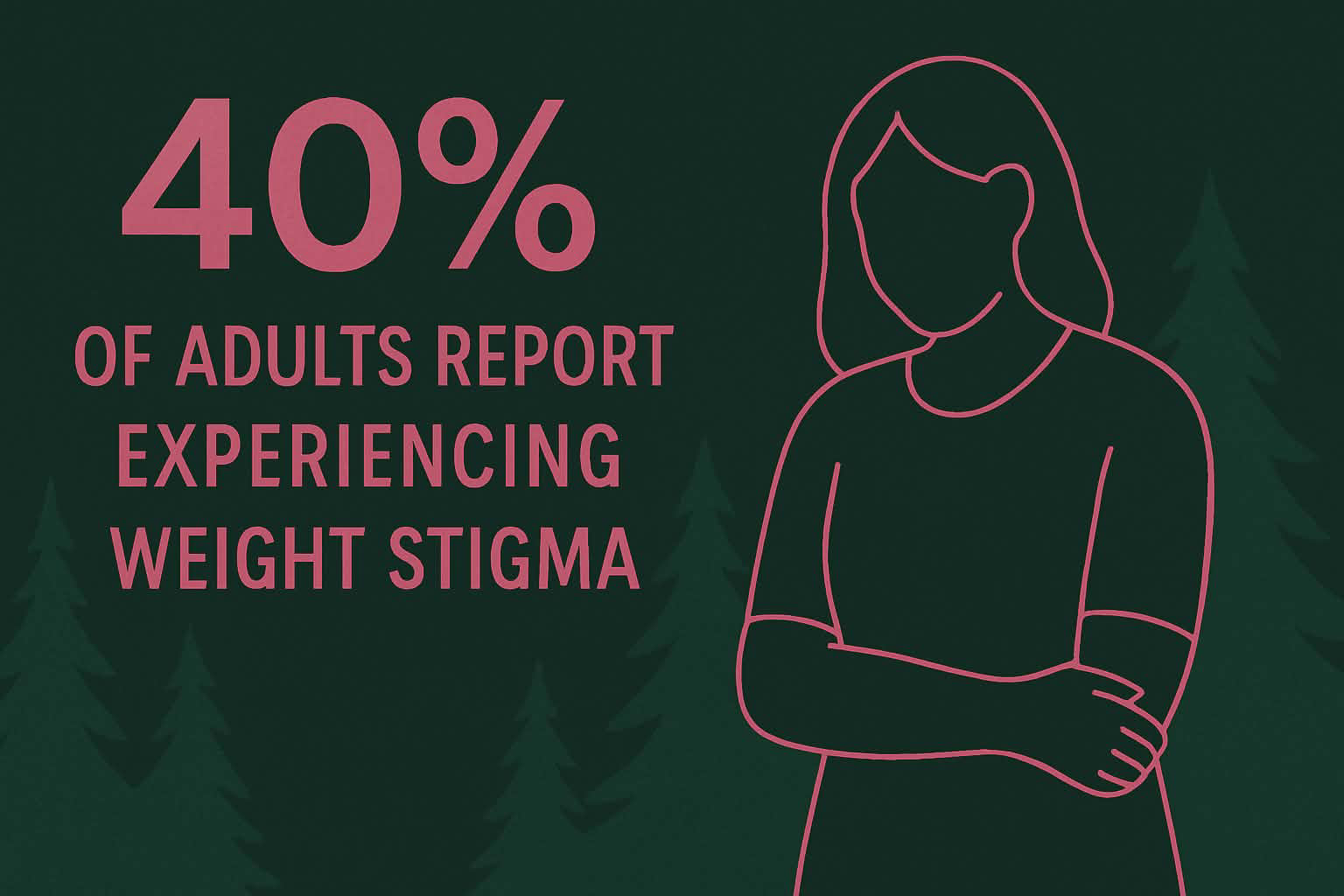
No matter the body size or shape, more than 40% of adults in the U.S. have reported they experience weight stigma and/or discrimination during their life. [1]
Weight Stigma Hurts Every Body
Weight stigma isn’t only about shaming people in larger bodies, it’s the biased belief that you can determine someone’s health, habits, or value based on size alone. And it affects people across the entire size spectrum.
Research shows weight stigma can contribute to:
Anxiety and depression
Disordered eating behaviors
Social isolation and shame
Delayed medical care or misdiagnoses
Increased risk of developing an eating disorder [2]
Regardless of which end of the spectrum someone falls on, stigma pushes people into hyper-awareness of their bodies, into self-surveillance, and often into behaviors that harm rather than heal.
Because of this, weight stigma has been shown to lead to an increase in disordered eating, regardless of shape or size [3].

The Myth That Only “Larger” Bodies Experience Stigma
One of the most overlooked truths is that thin people also experience harmful comments, pressure, and policing.
It often sounds like:
“You’re so lucky.”
“I wish I had your metabolism.”
“You must not eat anything.”
“You’re too skinny.”
“Eat a cheeseburger.”
On the surface, these words get brushed off as jokes or compliments. But they reinforce the same dangerous message: your body is a public conversation piece, and your worth is tied to how it looks.
One anorexia survivor recounts the weight stigma she experienced as a result of bullying in her youth.
When “Thin” Doesn’t Feel Like a Compliment
Growing up, I got a lot of comments because I was tall and gangly. It began at age 12 when I unexpectedly grew 7 inches overnight. Weight-based discrimination is reported to be one of the most common reasons for bullying among youth [4]. Boys especially, struggling with their own body image at the time would project their body-focused thoughts onto me. They commented on my “buck-teeth”, my hair, my glasses, my braces, and especially on my thin frame.
“Bones!”
“You look so creepy”
“Do you eat?”
“You look like a boy!”
My head was too gaunt, my torso too long, my hair too frizzy, my teeth too big… Every comment, every judgement, taught me the same lesson: my body was something for people to stare at, pick apart, or make decisions about. The bullying made me want to shrink… and so, I developed anorexia, hoping I could do so.
Struggling with anorexia, the comments didn’t stop as I had hoped–they escalated. When all I wanted to do was disappear, avoid being seen, somehow I garnered even more attention! Kids began saying I was “doing it all for attention” too, which was the opposite of what I wanted. Internally, all I was thinking at the time was
“Please don’t look at me… please don’t comment on me… please leave me alone…”
One day, in my early 20’s when I was freshly battling my eating disorder, the comments came back with a vengence. While I was working as a cook at a family restaurant, one of the waitresses I worked alongside decided to try to connect with me. She looked at me, laughed, and commented:
“Would you eat a cheeseburger right now, if I gave you one?”
She said it as a joke, perhaps assuming my small-build was silly, but I stopped like a deer in headlights.
That moment is still burned into me.
What surprised me even more was my own reaction. I said, very matter-of-fact
“I have an eating disorder.”
I wasn’t judging her question. I just stated the obvious in my life. I had been in recovery for less than a year at this point, super shy and secretive about the issues I struggled through.
The waitress stumbled over her words a bit, turned red in the face and started commenting on her own appearance, comparing us and trying to apologize for any offense she may have caused.
This is what weight stigma looks like. Hers – and my own…
and this is why we’re talking about it.
The Problem Isn’t the Bodies—it’s the Culture
The fixation on Ariana Grande’s thinness and Cynthia Erivo’s muscle tone reveals something important: our culture is not neutral about bodies. People feel permitted, even obligated, to publicly evaluate someone’s shape, often under the guise of concern or curiosity.
But this “concern” often hides:
Fear of bodies that don’t fit expectations
Misunderstandings about health
Internalized body shame
Projection of personal anxieties
Social conditioning that teaches us thinness = success or sickness, and larger bodies = lack of discipline
Consider the example I shared of the waitress who commented on my thin body and offered me a cheeseburger. When she began speaking and comparing my shape and size to her own, she was projecting her own personal insecurity about her body image. It inadvertently revealed her body confidence level and unfortunately made me feel a bit more scrutinized as well.
This map shows the complex and variable contributors to disordered eating and/or eating disorders. Although it refers mainly to Obesity, these ‘clusters’ highly affected all Bodies and their unique experiences with food. [7]
When we comment on bodies, we reinforce the idea that:
Thinness must be explained
Weight gain must be justified
Weight loss must be celebrated
Strength must be proven
Health must be visible
But health has never been a ‘look’.
And bodies have never been public property.
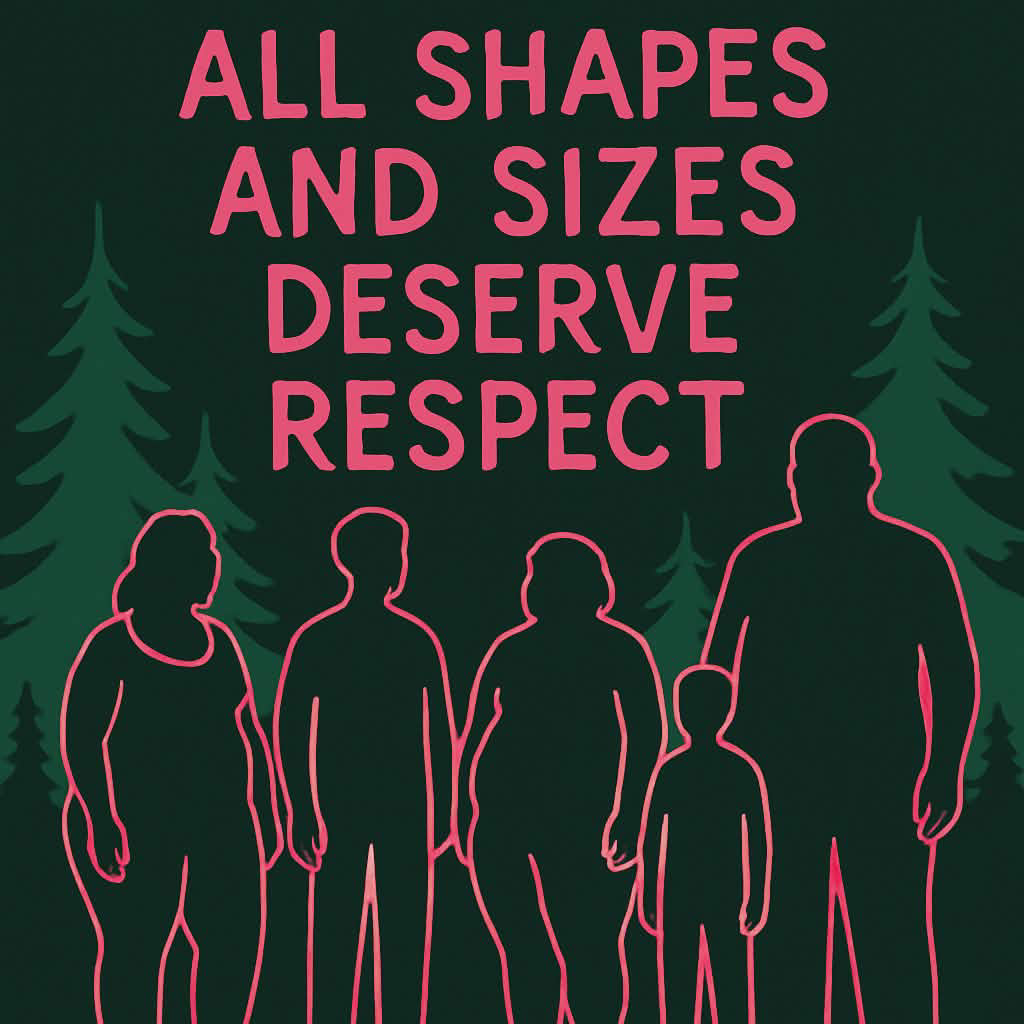
All Shapes and Sizes Deserve Respect
“Tall”, “short”, “fit”, “average”… All shapes and sizes are commented about when truly, there is no need. Weight stigma stems from society’s unrealistic expectations of body size and places harsh judgments on those that don’t meet those standards. These societal views are reinforced by the view that body weight is entirely a matter of personal responsibility. “This inaccurate and oversimplified attribution perpetuates blame and stigma, and ignores systemic, structural, environmental, and biological influences on body weight.” [5 & 6]
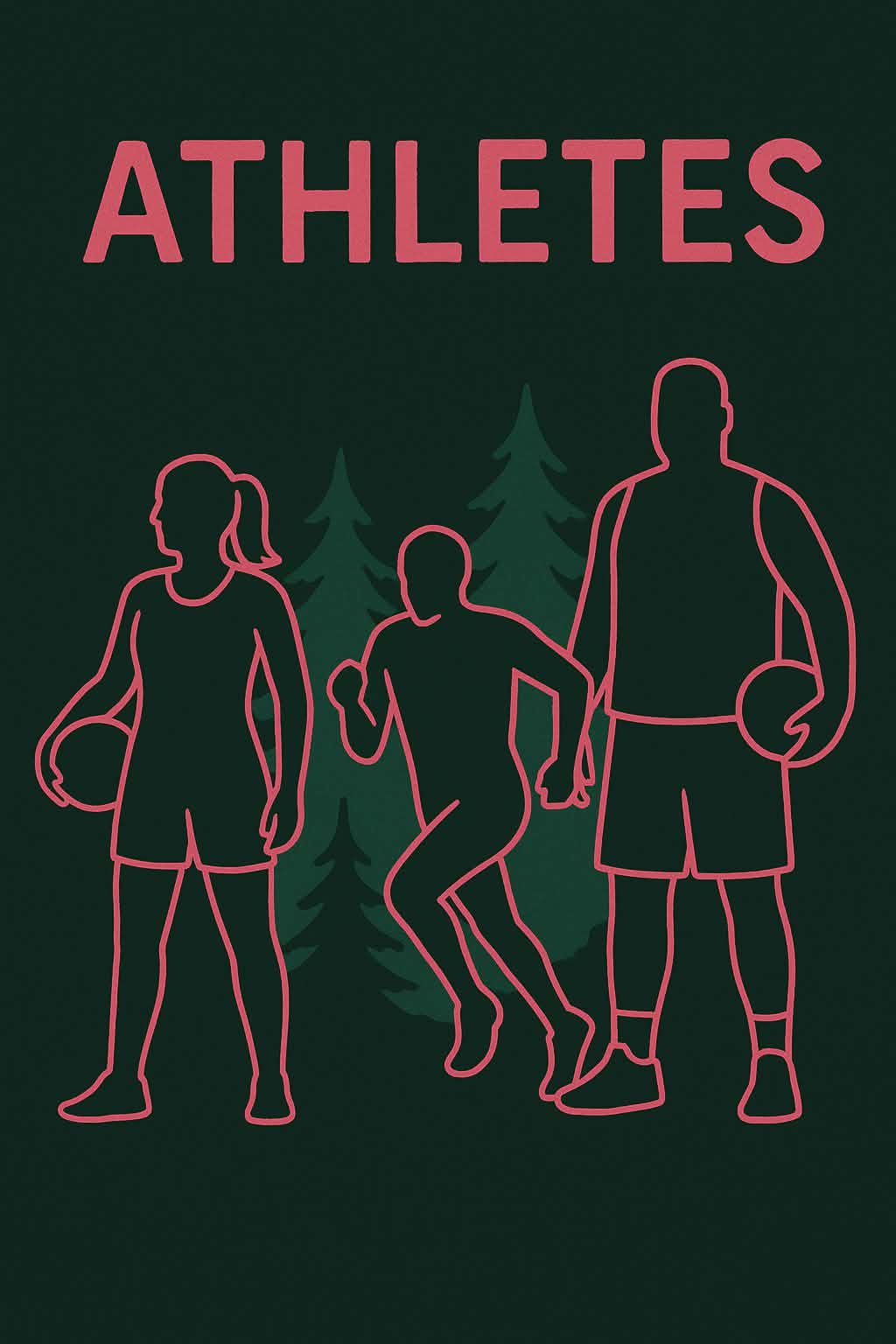
Athletes
Athletic bodies often receive a different kind of scrutiny—admiration tangled with expectations. If you’re muscular, toned, or visibly strong, people tend to assume:
“You’re always training”
“You’re always disciplined”
“You’re immune to body image struggles”
But athletic bodies come in countless forms. Some athletes are naturally lean. Some are naturally broad. Some carry softness; some carry sharpness. None of it reflects their worth, effort, or health.
Athletic bodies are not public symbols of “fitness,” discipline, or morality. They are simply bodies –human bodies– deserving of dignity without commentary.
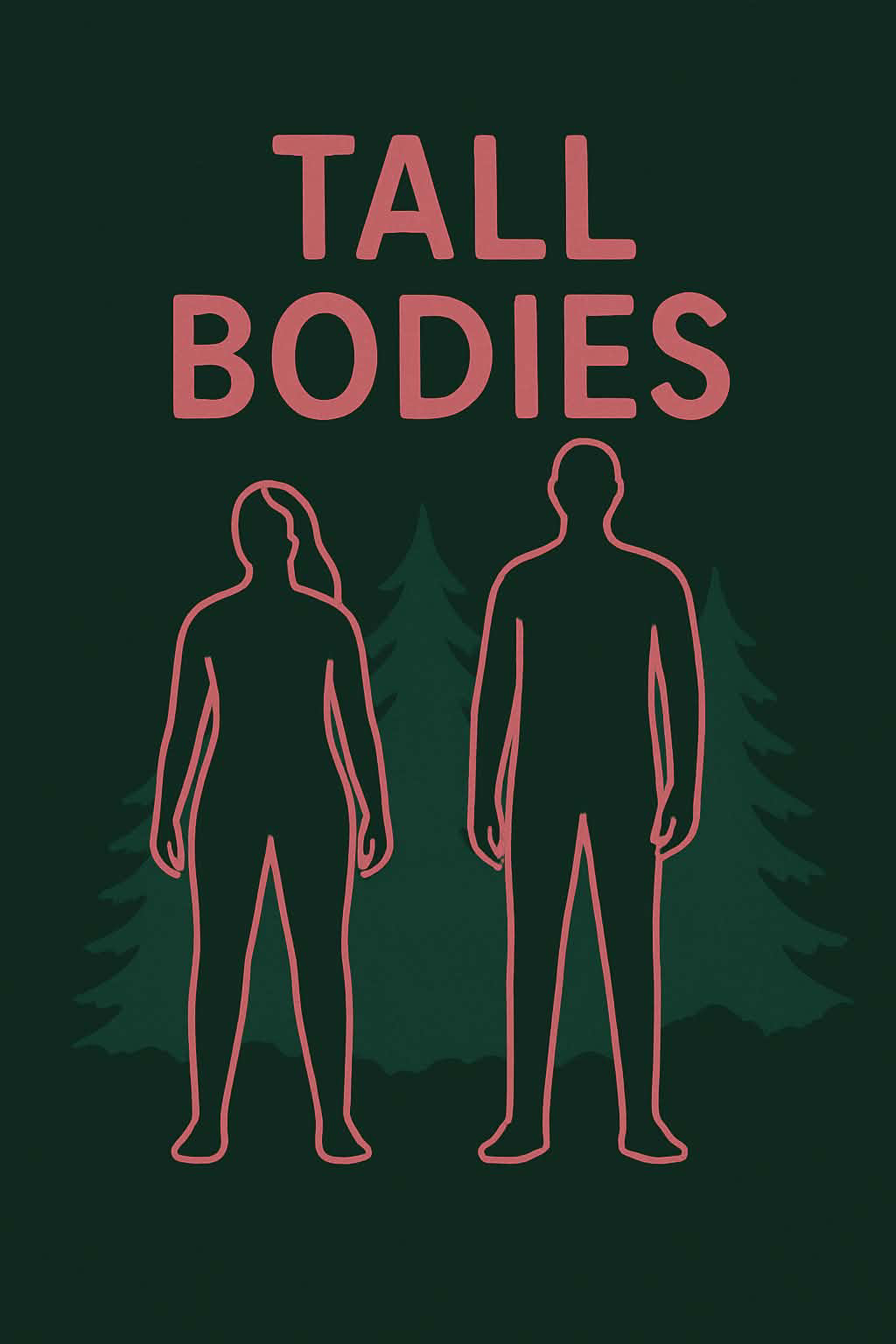
Tall Bodies
Tall bodies often carry years of unsolicited remarks—comments about height, presence, weight distribution, posture, or how they “should” use their bodies (sports, modeling, leadership, etc.).
Tall individuals, especially tall women and femme-presenting people, are often made to feel too big for their surroundings, as if they must shrink to keep others comfortable.
Nobody should be taught that their natural height violates some unspoken rule about how much space they deserve.
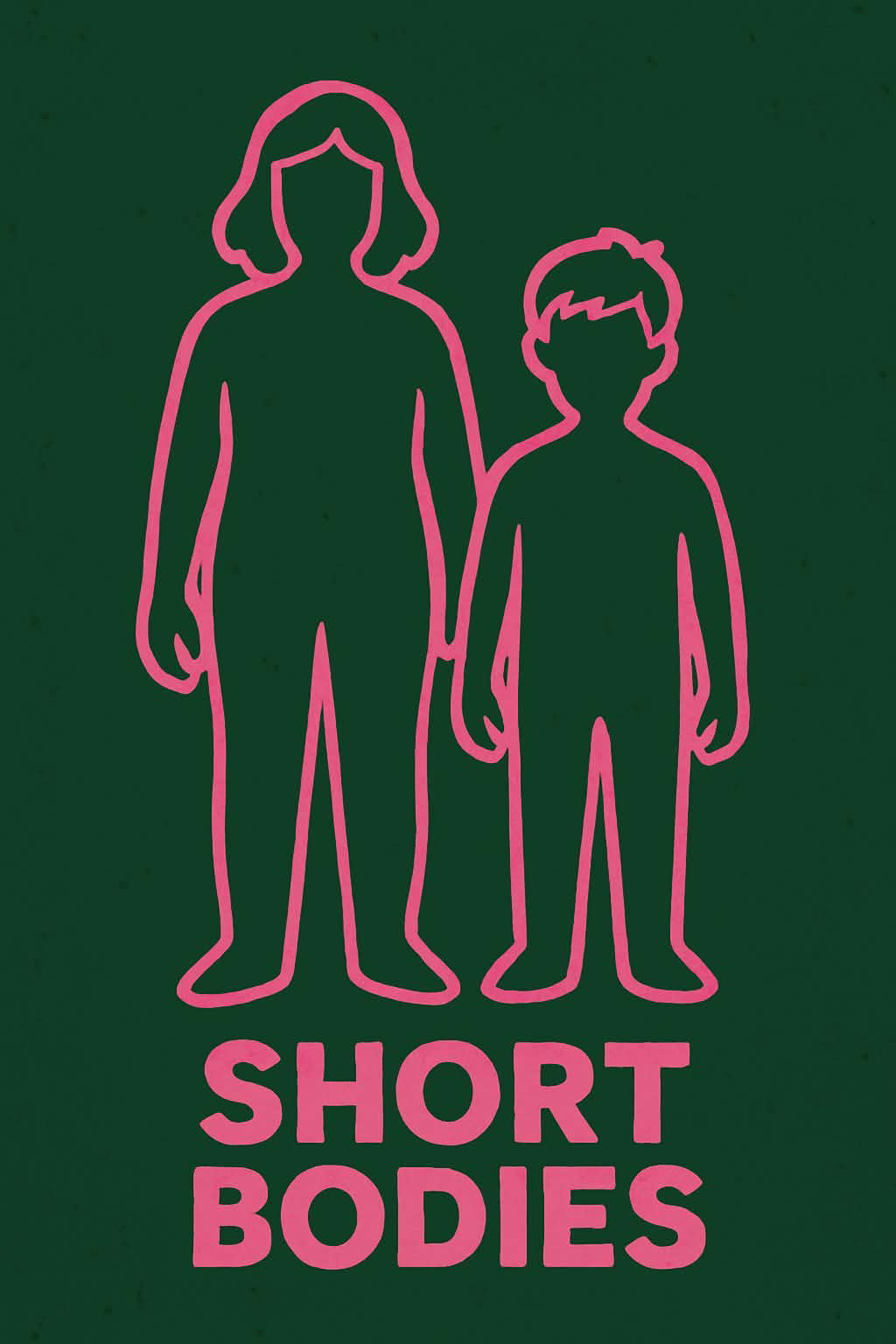
Short Bodies
Short bodies face a different flavor of bias– infantilization, dismissal, jokes about size or strength. Short people are often made to feel “less than,” even when these comments are disguised as playful or affectionate.
But height does not determine capability, authority, or adulthood. And the constant commentary can wear down confidence just as deeply as weight-focused comments do.
Every body– short, tall, and everything between– has its own story, its own context, and its own history.
Invisible Illness Affected Bodies
For many people living with chronic or invisible illnesses, their bodies become easy targets for scrutiny, judgment, or assumptions, despite the fact that outsiders have no way of understanding the realities beneath the surface.
Some illnesses cause unintentional weight loss. Others cause changes in mobility, digestion, hormone balance, or muscle mass. Some bodies gain weight from life-saving medications. Others shift constantly as symptoms fluctuate. And still others show no outward signs at all.
Yet culturally, we continue to treat weight changes as evidence of someone’s effort, discipline, or moral character rather than what they often are: a side effect of staying alive.
What makes this even more harmful is how frequently these individuals receive comments like:
“You look great– have you lost weight?” (when that weight loss may be from pain, fatigue, or malnutrition)
“ I wish I had your metabolism!”
These aren’t just insensitive– they reinforce a culture that wrongly equates appearance with health, and that dismisses the lived reality of those navigating invisible battles. These comments may also delay people to seek medical care for their concerns for fear of being dismissed or misdiagnosed.
At White Pine Center for Healing, we hear from individuals who share stories of feeling erased, misunderstood, or pressured to justify their bodies. Many describe the painful disconnect between how they look and what they feel, and how quickly others assume their bodies are up for public interpretation:
"As someone who lost a ton of weight extremely fast because of an auto-immune disease, that I was diagnosed with about 2 years too late, I can’t tell you all the cruel things that were said to me about my involuntary weight loss. “Eat a burger” was probably the most popular." Sarah Peach, of Erie PA shared her experience online, shortly after comments about the ‘Wicked’ stars took over social media feeds.
"It’s one thing to be concerned and ask a friend if they need anything or if they are doing ok out of concern.” Sarah went on to share, “It’s another thing to shame them (and this goes for weight gain too). Stop commenting on people’s bodies. You aren’t helping. "
By discussing weight stigma openly and honestly as Sarah has done, we can help move our society closer to a culture where all people can move through the world safely, and feel at home in the bodies they have.
Our Bodies Are Nobody’s Business
No one is entitled to interpret another person’s health, habits, trauma, joy, or story based on what their body looks like. Not strangers. Not coworkers. Not family. Not the internet.
Bodies are not public property. They are personal, private, and profoundly individual.
As White Pine Center’s CEO, Mary Machuga, reminds us –
“Everyone has a unique story. No two are the same and no two will end up with the same body.”
This is the heart of our message. This is why White Pine Center believes so firmly that
Every Body Has a Story.
A body is never just a body. It is history. It is survival. It is resilience. It is identity. And every single one deserves respect, compassion, and room to exist without comment or scrutiny.
What We Want People to Understand
This cultural moment gives us an opportunity to reset the conversation around weight and appearance. Here’s what we hope people will take away:
1. You cannot see someone’s health from their body.
Period. Weight is not a report card.
2. Comments about appearance—no matter the intent—have impact.
Especially for those living with, or recovering from, eating disorders.
3. Weight stigma at ANY size is harmful.
Thin people experience it. Larger-bodied people experience it. Everyone deserves dignity.
4. No one owes the world an explanation for their body.
Not celebrities. Not young people. Not those in recovery. Not anyone.
5. A compassionate community starts with curiosity, not commentary.
“What do you need?”
“How can I support you?”
“I’m here for you.”
These questions heal. Comments about weight do not.

Stopping our own internalized weight biases and weight stigma can seem daunting. Let’s get started anyway!
Where We Go From Here
White Pine Center for Healing remains committed to creating spaces where every body is respected and every story is honored.
As we continue these conversations– publicly and privately– we want to remind our community of one guiding truth:
You are more than your body.
You are a story, a spirit, a whole human being.
And you deserve to move through the world without fear of judgment, commentary, or scrutiny.
How has weight stigma impacted you?

If this topic resonates with you, or brings up your own experiences with weight stigma, body image, or disordered eating, you’re not alone.
We would love to hear from you and give you a safe, meaningful outlet to share your lived experience and how you have been shaped into the person you are today.
How has weight stigma impacted you?
The more we speak honestly about weight stigma, the more we dismantle it together.
Share Your Story
Stories change the world. They build empathy. They create belonging. They challenge stigma.
If you feel moved to share your own experience with body image, recovery, weight stigma, or learning to reclaim your worth, we invite you to join our storytelling initiative.
Your story may be the voice someone else needs to hear.
Your courage may become someone’s turning point.
Your truth may help reshape how our community sees and supports all bodies.
Because when we lift our stories, we lift each other.
Sources:
Abrams, Z. (2022). The burden of weight stigma. Monitor on Psychology, 53. https://www.apa.org/monitor/2022/03/news-weight-stigma
Frontiers. (2025, Nov. 5th) Weight bias, stigma and discrimination: a call for greater conceptual clarity https://www.frontiersin.org/journals/psychology/articles/10.3389/fpsyg.2025.1710851/full
Tomiyama, A. J., Appetite, Vol. 82, 2014
Puhl RM, Lessard LM. Weight stigma in youth: Prevalence, consequences, and considerations for clinical practice. Current Obesity Reports. 2020:9(4):402-411.
CSPI (2025) https://www.cspi.org/resource/best-practices-countering-weight-stigma, Countering Weight Stigma Best Practices
Hill B, et al. Weight stigma and obesity-related policies: A systematic review of the literature. Obes Rev. 2021;22(11:e13333
Vandenbroeck, P. (2025). https://shiftn.com/ . Obesity System Map